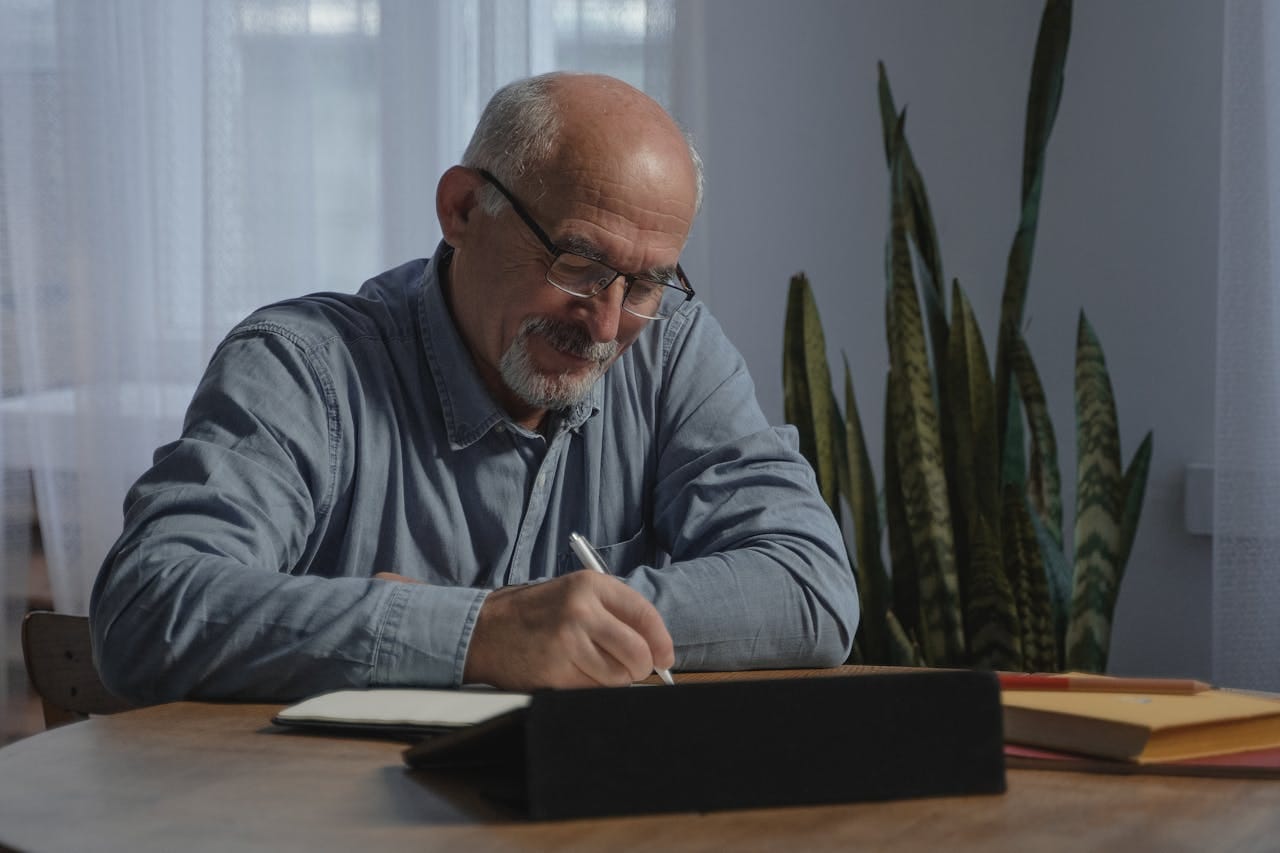
Šta je testament?
Testament ili zaveštanje, kako se još naziva, je jednostrana, lična i uvek opoziva izjava volje za to sposobnog lica kojom ono raspoređuje svoju imovinu za slučaj smrti, u zakonom određenom obliku.
Ko može sačiniti testament?
Testament može sačiniti lice koje je navršilo petnaest godina i sposobno je za rasuđivanje. Kako bi se predupredilo eventualno dokazivanje da testator u trenutku sačinjavanja testamenta nije bio sposoban za rasuđivanje, preporuka je da ga pre sačinjavanja testamenta pregleda veštak psihijatar koji će potvrditi da ova sposobnost postoji.
Šta ako zaveštalac izgubi sposobnost za rasuđivanje posle sačinjavanja testamenta?
Gubitak sposobnosti za rasuđivanje posle sačinjenog testamenta ne utiče na njegovu punovažnost. Izuzetno, kad se bitno izmene prilike koje su u vreme testamenta bile testatorova odlučujuća pobuda, sud može, na zahtev zainteresovanog lica, staviti van snage pojedine odredbe testamenta ili ceo testament ako testator to nije mogao učiniti zbog gubitka sposobnosti za rasuđivanje.
Koji su oblici testamenta?
U našem pravnom sistemu postoje sledeći oblici testamenta:
- svojeručni
- pismeni testament pred svedocima
- sudski testament
- konzularni testament
- međunarodni testament
- brodski testament
- vojni testament
- usmeni testament
- javnobeležnički testament
Koji testament se sačinjava uz pravnu pomoć advokata?
Advokati pružaju stručnu pomoć pri sačinjavanju pismenog testamenta pred svedocima. Ovo se čini tako što testator (bitno je samo da zna da čita i piše) pred dva svedoka izjavi da je već sačinjeni testament pročitao, da je to njegova poslednja volja, a potom se na testament svojeručno potpisuje. Na testament se potom potpisuju i svedoci. Poželjno je potpise overiti kod javnog beležnika, mada ovo nije obavezan element forme. Takođe, poželjno je navesti i svojstvo svedoka.
Ko može, a ko ne može biti svedok?
Testamentalni svedoci moraju biti pismeni, punoletni, poslovno potpuno sposobni i moraju razumeti jezik na kome testator izjavljuje da je testament njegov. Svedoci ne mogu biti testatorovi krvni srodnici u pravoj liniji, pobočni srodnici zaključno sa četvrtim stepenom srodstva, tazbinski srodnici zaključno s drugim stepenom srodstva, srodnici po usvojenju, supružnik, bivši supružnik, vanbračni partner, bivši vanbračni partner, staralac, bivši staralac, štićenik ili bivši štićenik. Takođe, ništave su odredbe testamenta kojima se nešto ostavlja svedocima, kao i bračnim drugovima, precima, potomcima i braći i sestrama svedoka.
Ko čuva testament?
Testament može čuvati sam testator ili čuvanje može poveriti testamentalnom nasledniku, advokatu ili pak nekom drugom licu od poverenja. Takođe, testament može deponovati u sudu, koji o tome sačinjava zapisnik u vanparničnom postupku, testament stavlja u poseban zapečaćeni omot i čuva ga. Po pokretanju ostavinske rasprave sva lica koja imaju saznanja da postoji testament dužna su da to sudu prijave i da ga predaju ukoliko je u njihovom posedu.
Sastavljanje testamenta i sporovi oko njegove punovažnosti spadaju u nasledno pravo.
Danilo Babić- advokat Novi Sad